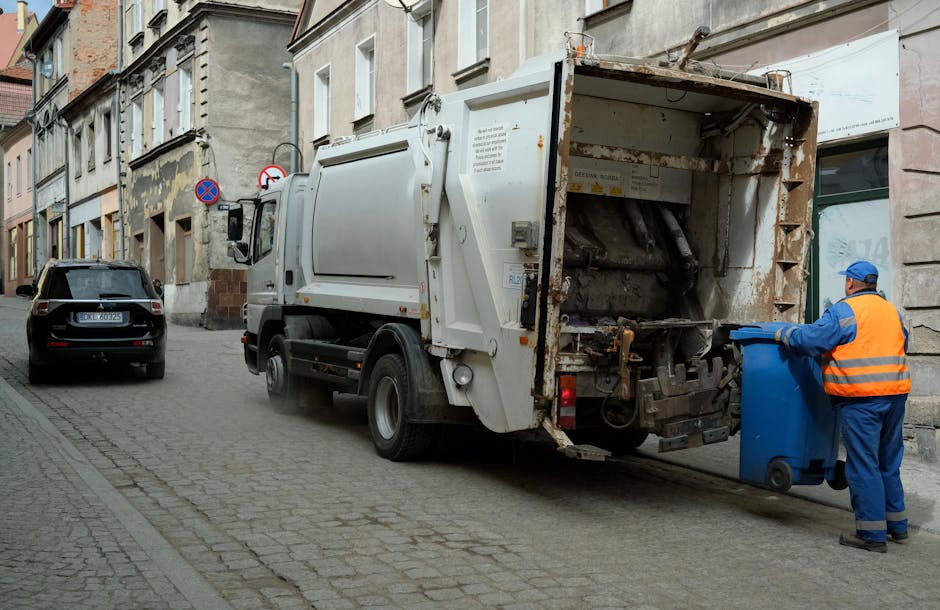
Commercial Waste Removal in Morden
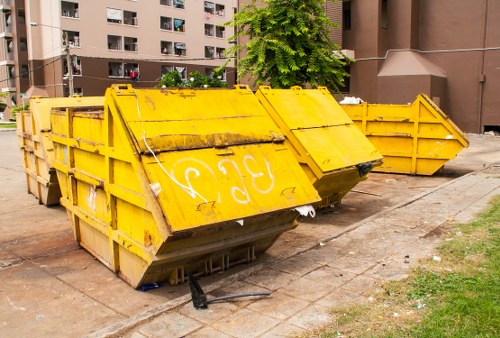
Commercial waste removal in Morden needs to be practical, tidy and straightforward, especially when business premises generate mixed materials that must be collected without disrupting the working day. Our service is designed to deal with routine and one-off commercial waste streams, helping you clear stock, packaging, office furniture and other unwanted items in a controlled way. The aim is simple: keep your site organised, keep the process efficient and give you a clear route to book work or request a quotation when you are ready.
We handle a broad range of business waste removal tasks, from office clearances to furniture disposal and the removal of bulky items that no longer serve a purpose. For many customers, the key decision is not only what needs taking away, but how the work should be managed around access, storage areas and day-to-day operations. If you are comparing options, it can help to look at our business waste removal service alongside the more specific pages that match your items.
Where different materials are involved, we can help you think through what is suitable for collection and what may need a separate disposal route. That includes items such as office chairs, desks, shelving, fixtures, white goods and general non-hazardous waste from commercial settings. If you are unsure where a particular item fits, you can always review the wider waste removal service and use the more focused pages to narrow down the right option.
Business waste collections that suit the job
Commercial waste removal often works best when the collection is matched to the type of premises and the volume of material involved. An office may need cleared desks, monitors, filing units and mixed paperwork; a retail unit may have display fittings, packaging and storage items; a small workshop may have surplus materials and redundant fixtures. Choosing the right service reduces unnecessary handling and helps keep the clearance focused on the items that genuinely need to go.
Our pages on related services can help you separate general commercial waste from items that need a more specific route. For example, if the job includes items from a shared workplace, our office clearance page sets out a clearer route for furniture, equipment and accumulated office contents. If your waste is made up of everyday furniture rather than a mixed business load, our furniture clearance service may be the better fit. If you need to compare both options before you decide, that can save time when planning the removal.
Commercial waste is rarely just one type of item. It may include a combination of rubbish sacks, redundant fixtures, packaging, broken seating and obsolete equipment, all needing sensible handling. A good plan starts with identifying what can be collected together, what should stay in place until the day of removal and what may need to be segregated. Clear sorting makes the job easier to assess and gives you a more useful basis for arranging collection.
What we can remove from commercial premises
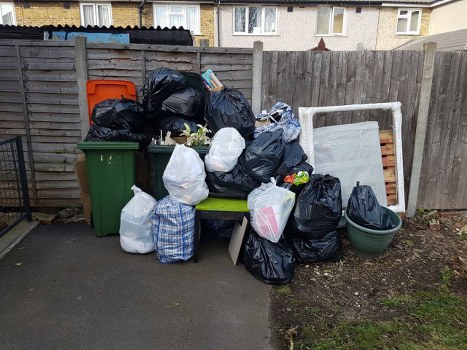
We provide commercial waste removal for a range of non-domestic settings, including offices, shops, workshops and storage areas. Typical items may include desks, chairs, filing cabinets, shelving, counters, cardboard, loose rubbish and other unwanted contents that are part of everyday business activity. The service is designed to help clear space in a way that is practical for premises that still need to stay open or remain partly in use during the work.
If your clearance includes larger items, it is worth considering the specific disposal route that best matches the material. For example, mattress and sofa disposal has its own handling needs and the dedicated sofa and mattress page is useful when those are the main items. Similarly, if you have a small amount of furniture from a commercial unit, the more general furniture disposal page can help you judge whether the job is mainly about a few bulky pieces rather than a mixed clearance.
Commercial clearances often involve a mixture of sizes, weights and shapes, so it helps to think in categories. Heavy office furniture, loose waste sacks, display units and redundant equipment do not all behave the same during removal, and the plan may need to reflect that. A clear description of the main item groups gives a better starting point for arranging a collection that fits the site and the workload.
Office and workplace clearances
Office clearances usually need a methodical approach because workstations, storage and shared spaces can be interlinked. Removing a few items at random is not always enough; the better approach is to identify what should go first, what can remain until last and whether any items need to be separated for disposal or reuse. This keeps circulation areas clearer and helps avoid unnecessary disturbance while the work is under way.
For businesses that want a more specific page, our office clearance service covers the type of work associated with desks, chairs, cabinets and general workplace contents. If the clearance includes confidential paperwork, the dedicated confidential shredding page is useful for understanding how sensitive documents can be handled separately from general waste. Those two services can sit alongside each other when a workplace needs both clearance and document disposal support.
In many offices, the main challenge is not the disposal itself but the sequence. Computer accessories, printer stations, filing systems and meeting-room furniture may all be in different parts of the premises. A sensible plan allows the premises to be kept orderly while the relevant items are removed in a controlled way. That means the service is not simply about lifting objects away; it is also about keeping the site manageable during the process.
Furniture, fixtures and bulky items
Bulky items often make a commercial premises feel cramped long before they become a structural problem. Old desks, shelving, storage cupboards, reception seating and redundant fixtures can all take up valuable room if they are left in place after they have served their purpose. Our service is intended to remove those items with a clear focus on the layout of the property and the practicalities of moving larger objects through the building.
Where the main issue is ordinary domestic-style furniture that has ended up in a business setting, furniture disposal is a useful option to consider. If the objects are more like mixed contents from a room, storage area or unit, the flat clearance page and home clearance may help you compare the scope of different clearance types, even where the property is being used commercially. The best choice depends on the kind of items and how much needs to be removed.
Before any collection, it is worth identifying pieces that need special care because of their size or shape. Large boardroom tables, bulky cabinets and awkward shelving may need to be moved in stages rather than treated as a single load. That level of planning helps the removal stay orderly and avoids unnecessary handling. Measured preparation is usually more effective than trying to shift everything at once.
How to prepare for a collection
Good preparation can make a commercial clearance easier to manage. If the items are spread across more than one room, it helps to identify the areas that are included and any spaces that should be left untouched. You do not need to overcomplicate the arrangement; simply knowing what is staying, what is going and whether access is limited makes the work more straightforward to plan. If there are lift, stair or loading restrictions, those are worth noting early.
Another useful step is to separate items that are obviously part of the clearance from those that may need further consideration. For example, furniture, cardboard, redundant stock and broken fittings can often be grouped together, while fragile equipment, confidential papers or items with uncertain disposal routes may need individual attention. If you are checking price factors or want to compare service options, our pricing and quotes page is the best place to look before you send details through.
The most helpful enquiries are usually the ones that describe the job plainly: what type of premises, what sort of items, roughly how much to remove and whether access is straightforward. A few accurate notes are often more useful than a long explanation. If you are ready to move ahead, contact us or keep the process simple and ask for a quotation when the scope is clear.
About Morden
Morden is a district in the London Borough of Merton, in south-west London, and it is closely associated with both older settlement patterns and later suburban growth. Historically, Morden developed from a village landscape into a more built-up London district during the twentieth century, with transport links playing a major role in that change. Morden Underground station, on the Northern line, opened in 1926 and remains one of the area’s best-known transport points, connecting the district to central London and the wider network. The area also includes Morden Hall Park, a large National Trust green space on the River Wandle that preserves riverside paths, open lawns and former estate landscape. The river itself is a notable thread through the district, linking the locality to a broader industrial and natural history in south London. Alongside green spaces, Morden has local shops, housing streets and civic buildings that reflect successive phases of development rather than a single architectural period. Like many London districts, it contains a mix of interwar suburban streets, post-war buildings and more recent infill development. This layered character gives the area a practical, lived-in quality, while the parks and waterways provide a quieter contrast to the built environment. The result is a place that combines everyday residential life with easy access to open space and long-established transport connections.
Waste handling, sorting and disposal choices
Commercial waste removal is often more effective when the contents are grouped by type before collection. Cardboard, mixed rubbish, office furniture, dismantled fixtures and electronic accessories can each call for a slightly different approach, even when they are leaving the site on the same day. Grouping the load sensibly helps the job proceed in an orderly way and makes it easier to avoid overlooking anything that should remain in the premises.
If your waste includes specialist or sensitive materials, it is worth checking whether a separate route is more appropriate. Hazardous waste disposal should be treated with care and is not the same as a general clearance. Likewise, items such as fridges or similar appliances may require a distinct collection method, so fridge and appliance removal is useful if those are among the main items. These pages help keep the scope of the job accurate from the start.
Businesses often find that the best approach is to remove what is ready, set aside what needs checking and leave the rest until a later stage if necessary. That avoids mixing ordinary commercial waste with objects that need a different process. It also supports cleaner decision-making when the premises contain several item types that are not equally straightforward to dispose of. A steady plan generally works better than trying to force one method onto everything.
Clearance for different property types
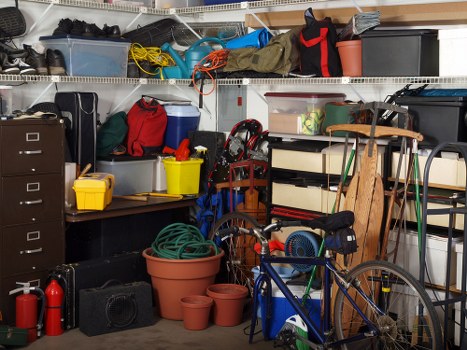
Commercial waste removal in Morden can support a variety of property types, from small offices to larger business units and premises with storage areas. Some jobs are mainly about clearing old furniture and surplus fixtures, while others involve removing mixed rubbish from day-to-day business use. Matching the service to the property type helps keep the collection practical and avoids paying attention to the wrong kind of item for the space involved.
Where a property has accumulated a broad mixture of contents, it may be helpful to compare the dedicated clearance pages. Garage clearance can suit areas used for storage, tools or spare materials, while loft clearance may be more relevant where upper storage areas have been filled with boxed items and forgotten stock. For a property where the contents are more general and less clearly commercial, house clearance is available as a broader reference point.
These options are not identical, and the right choice depends on what is actually being removed. A business premises with spare inventory and shelving may need a different approach from a workspace with office fittings and paperwork. Identifying the main item groups early makes it easier to choose a suitable service and reduces the chance of confusion on the day of collection. It is also a practical way to keep the job focused on the correct material.
Recycling, reuse and responsible disposal
When commercial waste is removed, it is worth thinking about what can be separated for reuse, recycling or standard disposal. Not every item belongs in the same stream, and a little organisation at the start can make the overall process more efficient. Cardboard, metal frames, wooden furniture, mixed general waste and appliances all tend to have different handling needs, so a clear breakdown of the items helps support a more structured approach.
For businesses that want to understand the broader handling of materials, our recycling and sustainability page gives useful background on the way recyclable and recoverable items are considered. If the clearance involves white goods rather than ordinary office contents, the dedicated appliance removal page can help you decide whether those items should be separated from the rest of the load. That keeps the collection more accurate and easier to manage.
Responsible disposal is not just about removing things quickly; it is about handling each group of items in a sensible way. Some objects are bulky but straightforward, while others may need closer attention because of their material or condition. When the job is described clearly from the outset, the disposal route can be matched more closely to the actual contents, which usually produces a cleaner and more reliable outcome.
Book a quotation for commercial waste removal
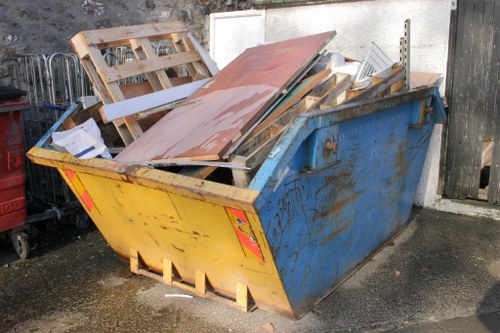
If you need commercial waste removal in Morden, the simplest next step is to gather a brief description of the items, the type of premises and any access details that could affect the collection. That is usually enough to move from a general enquiry to a practical quote request. If the job includes unusual materials, bulky furniture or separate waste groups, mention those clearly so the scope can be assessed properly.
For businesses comparing several pages before making a decision, our about us page gives a little more background, while book online may suit those who already know what they need and want to proceed without delay. If you are still deciding between mixed waste removal and a more specific clearance type, the service pages across the site can help you narrow the choice before you commit.
Ready to get started? Send the details that matter, choose the page that best fits your items and ask for a quotation when you are ready. A short, accurate description is often the quickest way to move forward, and it helps keep the collection aligned with the actual work involved.