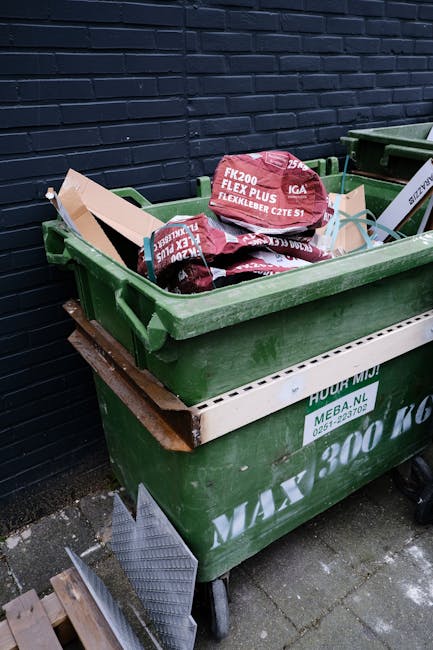
Avoid hidden fees with Morden rubbish removal services
If you have ever booked rubbish removal and then spotted a surprise charge on the final invoice, you will know how frustrating it feels. The van turns up, the job gets done, and somehow the price is suddenly not what you expected. This guide is here to help you avoid hidden fees with Morden rubbish removal services by showing you what to ask, what to compare, and what a proper transparent quote should look like. It is practical, local, and written for people who want the waste gone without the awkward money conversation at the end.
Truth be told, most hidden fees are not mysterious at all. They usually come from vague estimates, unclear access charges, poor communication, or assumptions made before anyone has actually seen the waste. The good news? Once you know where the traps are, you can sidestep them pretty easily.
Why Avoid hidden fees with Morden rubbish removal services Matters
Hidden fees are not just annoying; they can turn a sensible clearance job into something stressful and expensive. If you are clearing a flat, a garage, an office, or a builder's pile after a messy project, the price needs to be clear before the team starts lifting. Otherwise, you are left making decisions under pressure, and nobody enjoys that. Not you, not the crew, not the person chasing payment.
In Morden, as in the rest of London, rubbish removal jobs often involve tight parking, shared entrances, stairs, lifts, and awkward loading access. Those realities are normal. What should not be normal is being quoted one thing and charged another because the provider "didn't realise" the bags were in the loft, or because the mattress was classed differently, or because the waste took a bit longer to move than expected. To be fair, some variation is understandable. The issue is surprise.
A transparent rubbish removal service should make the pricing rules obvious. That way, you can decide whether the job is worth it, whether you want to prepare anything in advance, and whether a different service such as house clearance, office clearance, or general waste removal is the right fit. When the cost is clear, the whole process feels calmer. Simple, really.
How Avoid hidden fees with Morden rubbish removal services Works
The practical way to avoid hidden fees is to treat pricing as part of the job, not an afterthought. Before you book, the provider should understand what needs removing, where it is located, how accessible it is, and whether any items need special handling. That information helps shape a fair quote. If the quote is based on guesswork and hope, expect trouble later. If it is based on specifics, you are in much safer territory.
A good process usually starts with a description of the waste. Are you clearing mixed household rubbish, old furniture, garden cuttings, builder's rubble, office paper waste, or a few large awkward items? Next comes access. Is it ground floor, basement, top floor, rear garden, narrow stairwell, or a road with difficult parking? Then the provider should explain what is included: labour, loading, disposal, recycling, congestion or parking assumptions if relevant, and any items that may be treated differently.
For specialist loads, this matters even more. A fridge, for example, may need different handling from standard household rubbish, which is why services such as fridge and appliance removal exist. Sofas and mattresses can also be awkward because they are bulky and often hard to move through hallways, so it helps to check whether mattress and sofa disposal is priced separately. If hazardous materials are involved, do not assume they can be treated like normal rubbish; a specialist route such as hazardous waste disposal is usually the safer conversation to have.
The key is that the quote should describe the job in plain English. If the wording feels slippery, vague, or suspiciously short, ask for clarification before anything is booked. A decent provider will not mind. In fact, they should welcome it.
Key Benefits and Practical Advantages
Transparent pricing gives you more than a cleaner invoice. It gives you control. That sounds obvious, but once you are dealing with clutter, moving boxes, or a half-finished renovation, control is exactly what people lose first.
- Fewer surprises: You know the likely cost before the team arrives.
- Better planning: You can decide whether to book now or tidy up first.
- Less stress on the day: No tense back-and-forth at the door.
- Fairer comparisons: You can compare providers like for like.
- Smarter waste sorting: You may reduce the price by separating items properly.
There is also a practical time-saving benefit. If you know that a job involving old desks, files, and office equipment should be handled as a proper business waste removal job, you are less likely to waste time quoting it as generic rubbish. Same goes for a home move or a full flat clear-out. The right service type often leads to the right price from the start.
And let's face it, nobody likes haggling over bins and bags while standing in the rain with a neighbour watching from the window. A clear quote avoids that slightly awkward little theatre.
Who This Is For and When It Makes Sense
This approach is useful for almost anyone arranging a clearance in Morden, but it is especially important if your job is not a simple one-bag collection. The more variables there are, the more likely hidden fees become unless you pin things down early.
You will benefit most if you are:
- clearing a family home or inherited property
- moving out of a flat and need a fast flat clearance
- disposing of bulky furniture after a room refit
- tidying a garage, loft, or garden with mixed waste
- managing builders' rubble after renovations
- sorting business rubbish from an office or small commercial site
For example, a garage clearance can look simple at first glance. Then you realise there are old paint tins, a broken bike, a stained armchair, and a pile of mixed junk behind the freezer. That is exactly the kind of job where pricing clarity matters. A service for garage clearance should explain whether the price depends on volume, weight, item type, or labour time.
Garden work is another one. A neat-looking pile of green waste may hide soil, branches, fencing, or a rotting shed panel. If you are unsure how the load is classed, ask before booking. The same goes for renovation waste. If you are dealing with tiles, timber, plasterboard, and offcuts, a dedicated builders waste clearance service is usually more straightforward than a general "we take anything" promise.
Step-by-Step Guidance
If you want the safest route to a fair price, use this process. It is not glamorous, but it works.
- List everything to be removed. Be specific. "Old furniture and junk" is not enough. Say how many items, what type, and whether anything is unusually heavy or fragile.
- Check access carefully. Mention stairs, lifts, parking distance, narrow entrances, locked gates, or any other wrinkle. These details can affect labour time.
- Ask what the quote includes. Labour, loading, disposal, recycling, VAT if applicable, and any minimum charge should be clear.
- Ask what could change the price. This is the big one. Find out whether extra fees apply for access issues, extra volume, special waste, or waiting time.
- Confirm how special items are treated. Appliances, mattresses, sofas, confidential paperwork, and hazardous waste may need separate handling.
- Get the final agreement in writing. Even a simple email or booking confirmation is better than a vague phone promise.
- Prepare the site if you can. Group items together, clear a walkway, and make sure the team can load efficiently.
Small prep jobs can make a real difference. A clear path from the front room to the door, or from the garden gate to the van, often helps keep the job within the original quote. And if you are arranging a larger clear-out, it may be worth looking at related services such as home clearance or loft clearance so the work is matched to the actual job, not guessed at in a rush.
Expert Tips for Better Results
Here are a few field-tested tips that help people avoid unnecessary costs.
1. Photograph the waste before you book. A couple of clear photos can prevent a lot of confusion. One wide shot and one close-up shot is usually enough. You do not need a perfect little gallery. Just make it easy for the provider to judge volume and item type.
2. Separate standard waste from special items. Mixed loads are common, but if you can split out an appliance, a mattress, or confidential paperwork, you make quoting easier. That can be especially useful if you need confidential shredding for office documents or personal records.
3. Ask about recycling and disposal methods. A transparent price should not mean careless disposal. If sustainability matters to you, ask how sorting and recycling are handled. A provider with a clear recycling and sustainability approach is more likely to explain where the value sits.
4. Be honest about awkward access. If the van cannot park outside, say so. If there are two flights of stairs, say that too. It is much better to be slightly over-clear than to create friction on arrival.
5. Read the terms before you click book. Nobody loves reading terms and conditions, but there is often one line that saves the day. A quick look at terms and conditions and payment and security can tell you how the business handles deposits, card payments, cancellations, and price changes.
Expert summary: If a rubbish removal quote sounds too easy, slow down and test it with specifics. The cheapest-looking quote is not always the cheapest job. The best quote is the one that still makes sense after the van has left.
Common Mistakes to Avoid
People often create their own fee problems without meaning to. It happens. You are not being foolish; you are just trying to get the job done.
- Accepting vague language: "From GBPX" is not enough on its own. Ask what the final price depends on.
- Forgetting access details: A front-door collection is not the same as moving waste from a top-floor flat or a rear garden.
- Mixing item types without mentioning it: General waste, furniture, and specialist items may be priced differently.
- Assuming everything is standard rubbish: Appliances, mattresses, and hazardous items often need separate handling.
- Not checking collection conditions: If parking is difficult or loading takes extra time, that can affect the quote.
- Skipping the written confirmation: A clear message or email reduces disputes later.
A small example: someone books a clearance for "a few bits from the office" and then turns up with filing cabinets, monitors, and a stack of boxes marked confidential. That is not a disaster, but it is exactly the kind of mismatch that leads to awkward pricing. If the waste is business-related, say so early and look at the more suitable office clearance or business waste removal route.
Another common slip is assuming a bulky item will be treated the same as mixed rubbish. A sofa does not weigh like a sack of cardboard, and a freezer has different handling needs altogether. Small detail, big difference.
Tools, Resources and Recommendations
You do not need special software or a complicated spreadsheet to avoid hidden fees. A few simple tools are enough.
- Phone camera: Use it to photograph the waste from several angles.
- Notes app or paper list: Write down item types, access issues, and any deadlines.
- Measurement habit: Roughly estimate how much space the waste takes up. Even "one corner of the garage" is useful context.
- Comparison mindset: Compare like for like. Do not compare a full-service collection with a bare-bones pickup and assume they are the same.
As a practical recommendation, use the provider's own pricing information before you book. A page like pricing and quotes can help you understand how estimates are built, while book online is useful once you are comfortable that the details are accurate. If you are not fully sure what qualifies as suitable load material, what can go in a skip can also help you think through the difference between standard waste and items needing special handling.
For heavier or more sensitive jobs, it is worth checking safety and service standards too. That includes insurance and safety and the company's health and safety policy. Those pages are not just paperwork. They tell you whether the business thinks carefully about risk, which usually goes hand in hand with clear pricing.
Law, Compliance, Standards, or Best Practice
When waste is being removed, the money side and the compliance side are linked more closely than many people realise. In the UK, waste must be handled responsibly, and businesses should be able to explain how they manage collection, transport, disposal, recycling, and any specialised waste streams. You do not need to become an expert in waste regulation just to book a clearance job, but you should expect professionalism and clarity.
As a rule of thumb, a reputable provider should be able to explain what happens to different waste types, whether any items need segregation, and what standards they follow for safe handling. If a job involves potentially hazardous items, sharp debris, electrical goods, or confidential material, best practice is to treat those items differently rather than folding everything into one vague quote. That protects you, and it also makes the service less likely to come back with add-ons later.
There is also a consumer-trust angle here. Clear terms, transparent payment processes, and sensible complaint handling are signs of a business that takes responsibility seriously. If anything ever goes wrong, a visible route such as complaints procedure is reassuring because it shows the company has thought about aftercare, not just the sale.
For organisations dealing with sensitive records, it is especially wise to separate general removal from document destruction. That is where confidential shredding becomes relevant. It is a straightforward example, but a useful one: the more specialised the waste, the less room there is for pricing guesswork.
Options, Methods, or Comparison Table
Not every clearance job should be priced or managed in the same way. A quick comparison can help you choose the right route and avoid surprise costs.
| Method | Best for | Pricing clarity | Hidden-fee risk |
|---|---|---|---|
| General rubbish removal | Mixed household waste, bags, small items | Good if access and volume are clear | Medium if details are vague |
| Furniture-specific removal | Sofas, wardrobes, tables, single bulky items | Usually clearer for item-based pricing | Lower when item count is confirmed |
| Full property clearance | Homes, inherited properties, large declutters | Can be excellent when surveyed properly | Medium to high if scope changes |
| Specialist waste handling | Hazardous, electrical, confidential, or awkward waste | Clear when specialists explain exclusions | Lower if the category is identified early |
If you are deciding between a simple collection and a more specific service, think about what is actually on site. For example, furniture-heavy jobs often fit better with furniture clearance or furniture disposal rather than a general waste call-out. Garden waste is similar; mixed branches, soil, and old fencing are easier to quote properly when the job is framed as garden clearance.
Case Study or Real-World Example
Picture a typical Friday afternoon in Morden. A homeowner has finally tackled the loft after years of saying "we'll do that next month". There are three bin bags of old clothes, a broken suitcase, two lamps, a dusty chair, and several cardboard boxes that have gone soft at the edges. Nothing dramatic. Just one of those jobs that quietly grows legs.
The first quote they receive sounds attractive, but it is only for "standard waste at ground level". That is the catch. The loft hatch is narrow, the stairs are steep, and the chair is awkward to carry. When they ask a second provider for a clearer breakdown, the provider asks for photos, confirms the access route, and explains what is included before the booking is taken. No drama. No mystery. Just a proper conversation.
On the day, the team can see exactly what is involved, the price matches the scope, and the job finishes without awkward surprises. It is not a cinematic success story, honestly, but that is the point. Good rubbish removal usually looks boring in the best possible way. Straightforward in, straightforward out.
The same pattern applies to commercial jobs. A small office clearing old desks, paperwork, and storage units needs accuracy too. A mismatch between "a few items" and "full office contents" can become expensive very quickly. That is why services like office clearance and business waste removal are so useful when they are explained clearly from the start.
Practical Checklist
Use this quick checklist before you book.
- Have I described every item that needs removing?
- Have I mentioned access issues, stairs, parking, or long carry distances?
- Have I asked whether loading, labour, disposal, and recycling are included?
- Have I confirmed whether bulky items, appliances, or hazardous waste cost extra?
- Have I checked the provider's terms and conditions and payment and security details?
- Have I asked for the quote in writing?
- Have I compared the service type to the actual job rather than assuming a general collection is enough?
- Have I checked whether recycling or reuse is part of the service?
- Have I looked at the provider's safety and insurance information?
- Do I know who to contact if something changes before collection day?
If you can tick most of those boxes, you are already ahead of the game. And yes, that little bit of prep saves money more often than people expect.
Conclusion
The easiest way to avoid hidden fees with Morden rubbish removal services is to slow the process down just enough to ask the right questions. Clear item lists, honest access details, written confirmations, and the right service type make a huge difference. Most of the time, the price problem starts long before the invoice. Once you understand that, you can prevent it.
Whether you are clearing a home, dealing with a garage full of forgotten things, or sorting a business load that needs careful handling, transparency should be the baseline. Not a luxury. Not a bonus. Baseline.
Get a free quote today and see how much you can save.
Choose clarity first, and the whole job tends to feel lighter. That is a good feeling, especially when there is already enough clutter in the way.
Frequently Asked Questions
How do I avoid hidden fees when booking rubbish removal in Morden?
Give a full description of the waste, mention access issues, ask what the quote includes, and request confirmation in writing before the team arrives.
What are the most common hidden charges in rubbish removal?
Common extras can include access difficulties, extra labour, unexpected item types, waiting time, or waste that needs special handling.
Should I send photos before I get a quote?
Yes, photos are one of the simplest ways to reduce mistakes. A few clear pictures often help the provider quote more accurately.
Are bulky items more expensive to remove?
Often, yes. Sofas, wardrobes, mattresses, and appliances may need different labour or disposal handling, so they can be priced differently from mixed bag waste.
Is a cheaper quote always better?
Not necessarily. A very low quote can leave out labour, disposal, or access costs. The best quote is the one that clearly explains what is included.
Can I reduce the price by preparing the waste myself?
Usually, yes. Grouping items together, clearing pathways, and separating specialist items can make the job faster and easier.
Do I need a special service for office waste?
If the waste includes desks, confidential paperwork, or business equipment, a more suitable service such as office clearance or business waste removal is often the safer choice.
What should a transparent quote include?
It should clearly explain labour, loading, disposal, recycling, any exclusions, and the circumstances that might change the price.
What if I have hazardous items?
Do not treat hazardous waste like ordinary rubbish. Mention it early and ask about a proper hazardous waste disposal route.
Does recycling affect the price?
Sometimes it can, depending on how the waste is sorted and what needs separating. It is still worth asking because recycling practices can affect both cost and environmental impact.
What if the job changes on the day?
Tell the provider as soon as possible. A clear service should explain how changes are handled, so there are fewer surprises and fewer arguments.
How do I know if a provider is trustworthy?
Look for clear pricing information, written terms, visible safety guidance, and a sensible complaints procedure. A good service usually feels organised before anyone even turns up.