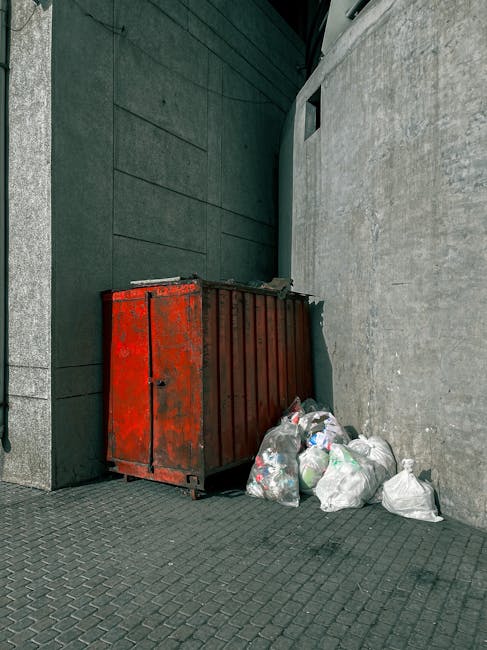
Business rubbish removal Morden shops offices and retail waste: a practical guide for local premises
If you run a shop, office, or retail unit in Morden, rubbish has a habit of piling up at exactly the wrong moment. One week it is packaging, broken fixtures, and old stock; the next it is a backlog of cardboard, office clear-outs, or a back room that has become, frankly, a bit of a disaster. Business rubbish removal Morden shops offices and retail waste is about getting that flow under control without disrupting trading, staff, or customers. Done well, it keeps your premises safer, tidier, and easier to work in. It also helps you stay on the right side of UK waste expectations, which is never a bad thing.
In this guide, we will walk through how commercial waste removal works, what it is best suited to, and the mistakes that tend to cause problems later. You will also find practical tips, a comparison of removal options, and a real-world example so you can judge what makes sense for your business. Let's make the whole thing feel much less faffy.
Table of Contents
- Why business rubbish removal matters
- How the service works in practice
- Key benefits and practical advantages
- Who this is for and when it makes sense
- Step-by-step guidance
- Expert tips for better results
- Common mistakes to avoid
- Tools, resources and recommendations
- Law, compliance, standards, or best practice
- Options, methods, and comparison table
- Case study or real-world example
- Practical checklist
- Conclusion
- Frequently asked questions
Why Business rubbish removal Morden shops offices and retail waste Matters
Commercial waste is not just a tidiness issue. For shops, offices, and retail premises, it affects safety, staff morale, customer experience, and the way efficiently your space works day to day. A cluttered stockroom slows people down. A blocked rear access point creates trip risks. A pile of broken displays in the corner can make a business look tired before a customer has even asked for help.
In Morden, many businesses operate in compact premises or busy mixed-use streets, so waste tends to build up quickly in small spaces. That is especially true where deliveries are frequent and storage is limited. Cardboard flattening, packaging removal, unwanted shelving, damaged furniture, or end-of-line stock all need a proper route out of the building. Otherwise, the back-of-house area becomes the place everyone avoids. You know the sort of corner that collects half-used tape rolls, spare hangers, and a mystery box from three seasons ago.
Business rubbish removal helps you reset that space. It also gives you a more controlled approach than trying to work around bins that are already full. For businesses with public-facing areas, it is a simple way to keep standards high without turning staff into part-time waste handlers. Which, to be fair, is not what anyone signed up for.
Expert summary: If waste is slowing down stock handling, creating safety concerns, or making your shop or office look untidy, a planned commercial removal is usually more efficient than letting it spread across the week.
How Business rubbish removal Morden shops offices and retail waste Works
The process is usually straightforward, but the details matter. A good commercial waste collection service starts with understanding what type of waste you have, how much there is, and where it sits in the property. That matters because a retail unit with lightweight packaging waste is very different from an office needing old desks, filing cabinets, and confidential paperwork removed.
Typically, the workflow looks like this:
- Assessment - You identify the waste type, access points, and any awkward items such as fridges, computers, or bulky furniture.
- Planning - A time is chosen that fits around opening hours, deliveries, or quieter trading periods.
- Sorting - Waste is separated into recyclable, reusable, and specialist streams where needed.
- Collection and loading - The team removes the items from inside or from a designated point, depending on the arrangement.
- Transfer and disposal - Waste is taken to the appropriate facility, with recycling prioritised where practical.
That sounds simple, and often it is. But the business value is in how carefully it is handled. For example, a shop refurbishment can produce mixed waste in one day, while an office clearance may include metal cabinets, boxes of paper, and items that need confidential shredding. A flexible service avoids forcing everything into the wrong bucket.
For businesses that need broader support, it can be useful to look at business waste removal as the core service and then build from there. If the waste is mostly from desks, storage units, and workspace changes, an office clearance route may be the better fit. And if you are dealing with mixed commercial rubbish plus larger items, a general waste removal option can be the most practical starting point.
Key Benefits and Practical Advantages
There are obvious benefits, and then there are the quieter ones that only become noticeable once the waste is gone. The first is space. Retail and office properties often carry far more clutter than they realise. Removing what is no longer useful can free up a surprising amount of room, especially in stock cupboards, back offices, or basement storage.
The second is operational flow. When pathways are clear, staff move faster and with fewer interruptions. That sounds small, but on a busy Saturday or during a stocktake, it matters. A clear corridor between shelves or a usable loading area can save time all week long. It is one of those things you notice only after it has been solved.
Other practical advantages include:
- Better presentation for customers and visiting suppliers
- Reduced trip and fire risks caused by stacked packaging or loose materials
- Improved stock control because old packaging and unused equipment are out of the way
- More predictable waste handling instead of scrambling when bins overflow
- Potentially better recycling outcomes when waste is separated correctly
There is also a psychological benefit. A tidy workspace tends to feel more manageable. Teams usually work with less friction when they are not stepping around old display units or trying to squeeze one more box into an already full corner. Not glamorous, but very real.
Who This Is For and When It Makes Sense
This kind of service is relevant to a wide range of businesses. The most obvious users are independent shops, convenience stores, salons, cafes, and office-based businesses. But it also makes sense for landlords, managing agents, retail fit-out teams, and business owners clearing a unit between tenancies or seasons.
It is especially useful when your waste is not just regular bin rubbish. For example:
- Retailers clearing damaged packaging, old point-of-sale displays, or unsold stock
- Offices getting rid of desks, chairs, monitors, filing systems, and paper archives
- Shop managers replacing shelving, counters, or fridges
- Businesses ending a lease and needing a full strip-out of leftover items
- Teams dealing with one-off bulky waste after an event, refit, or relaunch
There is a good rule of thumb here. If the waste would take staff too long to move, sort, or transport safely, it probably belongs with a professional removal. If it includes awkward items, mixed materials, or anything potentially sensitive, that is even more true.
One retailer I spoke to described it as "having the shop back again". That about sums it up. When the clutter disappears, the space starts working like a business space again, not a storage shed with a till.
Step-by-Step Guidance
If you are booking a removal for the first time, keep the process simple and organised. A little prep goes a long way.
- Walk the premises
Identify what needs to go. Be specific. "Old stock and office stuff" is a start, but "12 broken chairs, 8 cardboard boxes of packaging, and a dismantled counter" is far more useful. - Separate special items
Put aside anything that may need extra handling, such as electronics, fridges, confidential paper, or items with liquids, batteries, or sharp edges. - Check access
Make sure loaders can reach the waste without fighting through blocked corridors, locked side gates, or a mountain of boxes. Clear access means quicker work. Simple. - Pick a sensible time
For shops and retail units, quieter trading hours often work best. Offices may prefer early morning or late afternoon, depending on staff movement. - Confirm any restrictions
If you have hazardous items or mixed waste, ask how they should be handled before collection day. - Plan for paperwork
Keep any invoice, waste note, or service record together for your business files.
If the job includes confidential documents, do not leave them sitting in open crates "just for a minute". We all know what that minute turns into. Use a secure route from the outset, and if needed, consider confidential shredding for paper records that should never end up in general waste.
Expert Tips for Better Results
First, think in categories, not piles. It is easier to manage waste if you separate cardboard, general rubbish, reuseable stock, broken furniture, and specialist items before collection day. Even a rough split helps.
Second, get bulky items ready to move. Flat-pack what you safely can, remove drawers where practical, and tape loose parts together if they might break apart in transit. This is especially helpful with office furniture and retail shelving.
Third, protect the working day. If your premises are open during removal, ask the team to work in a way that keeps customer areas calm. Noise, movement, and temporary blockages can be managed better when everyone knows the plan.
Fourth, use the clearance as a chance to improve your layout. It is tempting to replace old clutter with new clutter. Happens all the time. But if a stockroom was chaotic before the removal, set a rule now for what goes back in.
Finally, remember the recycling angle. Many businesses are surprised by how much of their waste can be separated and diverted away from general disposal. A provider with a strong recycling and sustainability approach can help reduce the amount that goes to landfill or incineration, depending on the material type and local facility routes.
Common Mistakes to Avoid
One of the most common mistakes is waiting until bins are overflowing and then treating the whole job as urgent. That usually leads to poor sorting, poor access, and more stress than necessary. A little planning avoids that every time.
Another mistake is mixing general rubbish with specialist waste. Old computers, fridges, batteries, and chemical containers are not the same as cardboard and packaging. They may need specific handling, and if you do not separate them early, the whole process becomes clumsier.
People also forget to check what is actually on site. It is very easy to say "just the office clear-out", then discover there are two filing cabinets, an appliance, and half a dozen boxes of old catalogues hidden in a cupboard no one opened for months. The surprise factor is not your friend here.
Other issues to watch for:
- Blocking exits or fire routes with waste
- Leaving collection too late in the week, after staff are already overloaded
- Failing to label items that need special handling
- Assuming everything can go in the same load
- Choosing a provider without checking their service terms or safety approach
It sounds obvious, but clear instructions matter. The cleaner the brief, the smoother the job. That applies whether you are clearing a small office or a multi-zone retail floor.
Tools, Resources and Recommendations
You do not need specialist software to manage business rubbish well, but a few simple tools help. A clipboard, a phone camera, and a short checklist can be enough for small premises. For larger sites, a spreadsheet or internal job list can help track what is being removed, what is being kept, and what needs separate handling.
Useful practical resources include:
- A room-by-room waste list for offices, stockrooms, and sales areas
- Photographs of bulky items to help with planning and access
- A simple sorting system using labels or separate corners of the room
- Internal sign-off so staff know what can be cleared and what must stay
For businesses with a mix of office and retail waste, it can help to look at specific service types alongside the main collection plan. An office clearance is useful for desks, chairs, and paperwork-heavy workspaces, while furniture disposal makes sense if your main issue is bulky worn-out fixtures. If you are clearing damaged counters, old fitting units, or broken display pieces, then furniture clearance may be the nearest fit.
And if the job is more mixed, maybe a bit of everything, do not overcomplicate it. A broad waste collection service is often the cleanest route. No drama, no overthinking.
Law, Compliance, Standards, or Best Practice
Commercial waste handling in the UK comes with responsibilities, even when the job looks simple. Businesses are generally expected to manage waste carefully, use appropriate carriers or services, and keep records where needed. The exact duties can vary by waste type and business arrangement, so it is sensible to treat compliance as part of the planning, not an afterthought.
Best practice includes keeping waste streams separate where possible, avoiding contamination of recyclable materials, and making sure any hazardous or specialist item is handled correctly. That matters for health and safety as well as for disposal quality. If you are unsure whether an item is hazardous, assume it may need checking rather than hoping for the best. That is the grown-up version, basically.
For example, some businesses encounter items such as aerosols, cleaning chemicals, broken refrigeration units, or sharp materials during clear-outs. In those cases, using a route that understands hazardous waste disposal is the safer approach. Refrigerated or bulky powered units can also need specific handling, so it is worth knowing whether fridge and appliance removal is relevant to your load.
Safety is another everyday standard, not just a box-ticking exercise. Good practice means maintaining clear walkways, using proper lifting methods, and being realistic about what staff should move themselves. For a useful overview of how a provider approaches site safety, you may also want to review health and safety policy and insurance and safety information where relevant.
Options, Methods, or Comparison Table
Most businesses choose between a few common waste handling methods. The right one depends on volume, frequency, item type, and how much time your team can realistically spare.
| Method | Best for | Pros | Trade-offs |
|---|---|---|---|
| Ad hoc commercial rubbish removal | One-off clear-outs, stock changes, or bulky waste | Flexible, quick, minimal disruption | Not ideal for constant daily waste |
| Ongoing business waste collection | Regular rubbish from offices and retail units | Predictable, easy to schedule | Less suited to large one-off clearances |
| Skip-style handling | Sites with space and mixed bulky material | Useful for larger jobs | Needs space, loading time, and a clear understanding of what can go in a skip |
| Specialist item removal | Fridges, shredding, appliances, or sensitive waste | Better compliance and safer handling | Requires sorting and planning |
Sometimes the best answer is a combination. For example, a shop refit might need one load of mixed waste, a separate route for old appliances, and a final sweep for cardboard and wrapping. If you are unsure whether a skip-style approach suits your premises, what can go in a skip is a useful reference point for deciding what is practical. It is not about finding the "perfect" method. It is about matching the method to the mess, which is a more honest way to look at it.
Case Study or Real-World Example
Picture a small retail shop in Morden after a seasonal changeover. The sales floor is fine, but the back room has slowly filled up with damaged boxes, old fixtures, a broken display shelf, and several bags of packaging that staff keep meaning to flatten. The manager wants it cleared without closing the shop, and the team is already busy serving customers.
The first step is a quick walk-through. The items are grouped into three simple piles: cardboard and packaging, broken display and furniture parts, and a small amount of mixed general waste. Two items turn out to be heavier than expected, so they are left for professional lifting rather than staff trying to wrestle them down the corridor before opening. Sensible call, really.
The collection is booked for an early morning slot. That means the back door can be used before trading starts, and staff are not squeezing around a busy loading process. The result is not just an empty room. It is a cleaner workflow, less stress for the team, and enough space to store incoming stock properly again.
That is the sort of outcome business rubbish removal should deliver. Not just "things gone", but a better functioning premises afterwards.
Practical Checklist
Use this checklist before your collection day. It will save time, and maybe a bit of sanity too.
- Identify all items that need removing
- Separate general waste from specialist items
- Check access routes, gates, stairs, and loading points
- Move sensitive documents into a secure process
- Flatten cardboard where practical
- Label anything fragile, sharp, or awkward
- Keep exits and fire routes clear
- Choose a collection time that avoids customer rushes
- Confirm whether appliances or hazardous items are included
- Keep a record of what was collected for internal files
Quick takeaway: The smoother the preparation, the faster the removal and the less disruption to trading. It really is that simple.
Conclusion
Business rubbish removal Morden shops offices and retail waste is not just about getting rid of clutter. It is about keeping your premises safer, more efficient, and easier to manage in the real world. For shops, that can mean clearer stock areas and a better customer impression. For offices, it often means less stress, cleaner workflows, and fewer wasted hours moving things around instead of getting work done.
The best results usually come from a bit of planning, some simple sorting, and choosing a removal method that fits the actual waste rather than the theoretical one. If you do that, the whole job becomes calmer and more predictable. And honestly, calm is underrated in commercial property management.
Get a free quote today and see how much you can save.
If you want to understand the company behind the service, you can also learn more through about us or review the pricing and quotes information before making a decision. When you are ready, the next step is simply to get the waste moving in the right direction. That small reset can make a bigger difference than you might expect.
Frequently Asked Questions
What counts as business rubbish for shops and offices?
Business rubbish usually includes packaging, cardboard, broken furniture, damaged fixtures, old stock, office furniture, paperwork, and mixed waste created through day-to-day operations. If it comes from trading or office activity, it generally counts as commercial waste.
Is business rubbish removal suitable for small independent shops?
Yes. Small shops often benefit the most because storage space is tight and waste can quickly affect displays, stock handling, and customer-facing areas. A one-off removal can free up space fast without requiring major disruption.
Can office clear-outs include desks, chairs, and filing cabinets?
Yes, those are common items in office clear-outs. Heavier or awkward items may need planning for access and lifting, but they are very standard parts of a commercial clearance.
What should I do with confidential paperwork?
Confidential paperwork should be kept separate from general rubbish. A secure shredding route is the safer choice, especially if the documents contain client, staff, or financial information.
Are appliances and fridges handled differently?
Usually, yes. Appliances and fridges may need specialist handling because of their size, components, or disposal requirements. It is best to flag them early so they are not mixed in with ordinary waste.
How can I prepare my shop or office before collection?
Start by sorting waste into clear groups, clearing access routes, and identifying anything special such as electronics, hazardous materials, or confidential records. A few minutes of prep can save a lot of awkwardness on the day.
Do I need to shut the business during removal?
Not always. Many collections can be scheduled around opening hours, quieter periods, or side access points. The key is to plan timing so customers and staff are not in the way of loading activity.
What if my waste includes hazardous items?
Hazardous items should not be treated like general rubbish. They need careful identification and the right disposal route. If you are unsure whether something is hazardous, it is better to ask before collection day.
Is recycling possible with commercial waste?
Often, yes. Cardboard, metals, and some other material streams can frequently be separated for recycling where the load is sorted correctly. A provider with a recycling-led process can help improve that outcome.
How do I know whether a skip or a waste removal service is better?
It depends on space, item type, and how much lifting and sorting you want to handle yourself. If you have room and a lot of material to load over time, a skip-style method may help. If you want a faster, hands-off clearance, a removal service is usually more convenient.
Can retail waste removal cover old shelving and display units?
Yes, retail clear-outs commonly include shelving, display units, counters, and similar fixtures. If the items are bulky or partly dismantled, tell the provider in advance so the load can be planned properly.
Where can I find the service terms or complaint process?
If you want to review the company information before booking, the terms and conditions and complaints procedure are useful places to start.